
Article 6 — How Long Does It Take to Sell Land in South Louisiana? One of the first questions I hear from landowners who are thinking about selling is: “How long do you think

Dated: September 9 2026
Views: 2
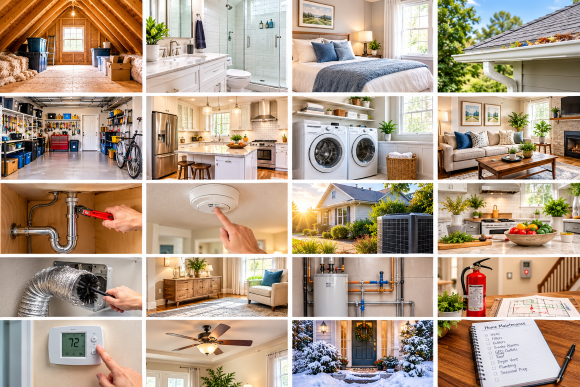
There is no shortage of household advice out there.
Some of it is excellent. Some of it is harmless but unnecessary. Some of it is an old wives' tale that has been repeated so often that it sounds like fact.
And some of it can actually make a problem worse.
That is why this list is different.
Rather than simply repeating the internet's most popular household “hacks,” the following 99 tips were selected because they repeatedly appear in homeowner-maintenance and household-advice lists and, wherever a claim could be checked, were compared with guidance from government agencies, safety organizations, recognized home-improvement experts and consumer publications.
The result is a practical homeowner's reference guide—organized by area of the house and designed around one simple principle:
A good household tip should either save you money, prevent a problem, improve safety, or make maintaining your home easier—and it shouldn't depend on folklore to work.
A few of these are clever little tricks. Most are even more valuable than that: they are simple habits that can prevent expensive repairs.
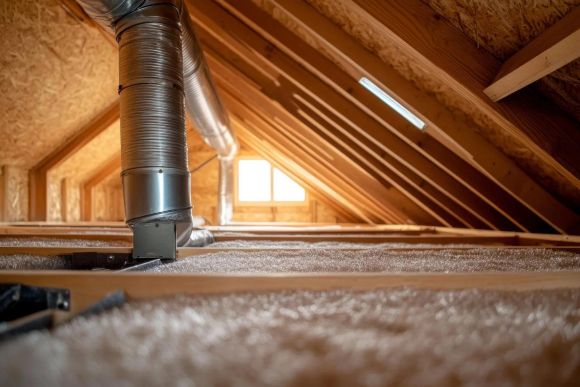
Your attic is easy to forget because you don't live there. Your house, however, very much depends on what happens up there. ENERGY STAR identifies attic insulation and air sealing as important opportunities for improving comfort and efficiency.
Insulation can settle, become displaced or deteriorate. Look for thin or missing areas rather than assuming that because insulation exists, the attic is adequately insulated.
Gaps around plumbing penetrations, wiring, recessed fixtures and other openings can allow conditioned air to escape. Air sealing and insulation are among the most cost-effective energy improvements for many homes.
If your home is designed with soffit, ridge or other attic ventilation, don't bury or block the intended airflow with insulation or stored materials.
Water stains, damp insulation or darkened wood can reveal a roof problem before a ceiling stain appears downstairs.
Furnaces, flues, chimneys and other heat sources need appropriate clearance. Don't turn the attic into a storage closet around mechanical equipment.
A bathroom fan that simply dumps moist air into an attic can contribute to moisture problems. Exhaust fans should discharge according to the home's design and applicable building requirements.
A poorly sealed attic hatch can become a significant source of air leakage. Weatherstripping and appropriate insulation can make a surprisingly noticeable difference.
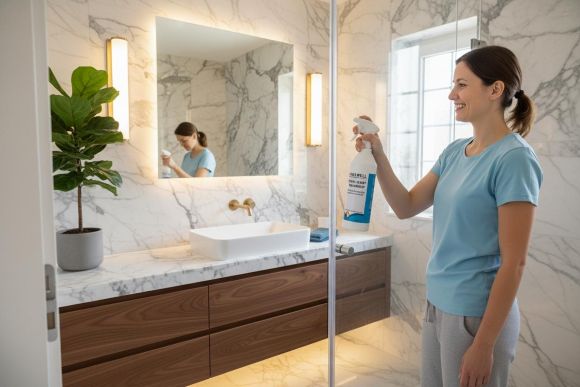
Bathrooms combine water, electricity, moisture and sometimes surprisingly expensive hidden leaks. Small maintenance jobs here can prevent larger problems later.
The goal isn't merely to eliminate odors. Exhausting moisture helps control indoor humidity and moisture-related problems. EPA recommends controlling moisture and maintaining reasonable indoor humidity.
Dust buildup reduces airflow. Vacuum the grille periodically and clean it according to the manufacturer's instructions.
Cracked or separated caulk around tubs, showers and sinks isn't merely cosmetic. Water infiltration can damage surrounding materials.
Put a few drops of food coloring into the tank and wait about 20 minutes without flushing. If colored water appears in the bowl, the tank is leaking through the flapper or another component. This is a legitimate diagnostic test—not an internet myth.
Look for corrosion, bulges, cracking or deterioration. A small inexpensive supply line can cause an enormous amount of water damage if it fails.
In particular, never mix chlorine bleach with vinegar or other acids. Poison Control warns that the combination can create irritating chlorine gas. Bleach and ammonia-containing products can create dangerous chloramine gases.
Mineral deposits can restrict flow. Remove buildup using a method compatible with the manufacturer's finish and materials.
A drain that still works isn't necessarily a healthy drain. Hair, soap and buildup can gradually restrict flow and eventually produce a complete blockage.
A faint stain, bubbling paint or unexplained discoloration can be an early warning of a plumbing or waterproofing problem.

The bedroom is where homeowners often overlook safety because the room seems relatively low-risk.
Furniture, boxes and clutter should never make it difficult to reach a door or window quickly.
The U.S. Fire Administration recommends keeping anything that can burn at least three feet from heating equipment.
Frayed or cracked cords should be replaced, not taped indefinitely and returned to service.
Cords trapped beneath rugs can be damaged and can also create heat-related hazards. USFA specifically warns against placing cords beneath rugs and carpets.
This sounds like housekeeping advice, but reducing trip hazards is genuine injury prevention—particularly in the dark.
Windows that are painted shut, difficult to open or blocked by furniture can become a serious problem during an emergency.
This deserves repeating because bedrooms contain some of the most combustible materials in a home.

A house's exterior is its first line of defense against water. A few minutes outside with a ladder, hose or flashlight can reveal problems before they become expensive.
Leaves and debris can prevent water from flowing properly and contribute to overflow and moisture problems.
The objective is to move roof runoff away from the house—not simply dump it beside the foundation.
Look for missing, damaged or visibly displaced shingles, damaged flashing and obvious areas of concern. Leave roof climbing to appropriately equipped professionals when necessary.
Standing water next to the foundation is a warning sign, not a landscaping feature.
Branches can damage roofing, clog gutters and provide pathways for pests.
Look for dripping, damaged connections and leaks around the foundation or hose bib.
Where freezing temperatures occur, trapped water can damage plumbing. Follow the requirements of your particular faucet and plumbing system.
Cracked or failed sealant around windows, doors and penetrations can allow water infiltration and drafts. ENERGY STAR recommends weatherstripping and appropriate caulking as basic air-sealing measures.
Small cracks are generally easier and less expensive to address than large failures. The appropriate repair depends on the material and the cause of the cracking.
Pay particular attention to loose railings, deteriorated wood, damaged fasteners and areas where water collects.
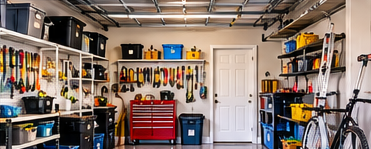
The garage often becomes the home's combination workshop, storage room, mechanical room and charging station—which makes organization a safety issue.
Even with the garage door open, carbon monoxide can enter the house. CDC guidance is unequivocal on this point.
USFA recommends keeping gasoline, paints, propane and similar materials away from the home where appropriate, and maintaining safe separation from ignition sources.
Not even with the garage door open. CDC recommends operating portable generators outdoors more than 20 feet from windows, doors and vents.
A clean floor isn't just attractive. It reduces trip hazards and makes leaks, cracks and spills easier to notice.
Oil-soaked materials can present a fire hazard. USFA specifically recommends airtight containers for oily rags.
USFA recommends against using extension cords with major appliances because they can overheat and start fires.
If your garage is attached, the door separating the garage from the living space is an important part of the home's fire-safety system.
A properly rated extinguisher can be useful for a small incipient fire, but never fight a fire that is beyond your ability to control safely. USFA recommends listed, appropriately classified extinguishers.
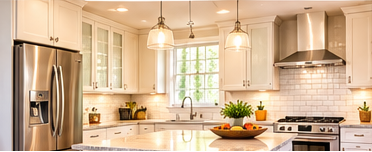
The kitchen may be the hardest-working room in the house—and one of the most important places to distinguish useful hacks from dangerous ones.
Use an appliance thermometer rather than trusting the refrigerator's numbered dial. USDA and FDA both recommend 40°F or below.
Again, use an appliance thermometer.
Cold air needs room to circulate. FDA specifically advises against overpacking.
Especially clean spills from raw meat and other foods to reduce cross-contamination.
FDA recommends separating raw meat, poultry and seafood from foods that will be eaten without cooking.
Color, texture and cooking time aren't reliable substitutes for measuring the internal temperature of food. USDA recommends using a food thermometer.
Ventilation helps remove moisture and pollutants generated during cooking. EPA specifically recommends kitchen exhaust fans that vent outdoors.
Anti-tip devices are an important safety feature, particularly in homes with children.
Food residue can accumulate where you don't see it. Clean according to the disposal manufacturer's instructions.
A dirty filter can reduce cleaning performance and contribute to odors. Follow the appliance manufacturer's instructions because filter designs vary.
Microwave exhaust systems vary greatly. If yours recirculates rather than vents outdoors, it isn't removing kitchen air from the house.
USDA's basic food-safety formula remains remarkably simple: clean, separate, cook and chill.
Use older products first and keep an eye on expiration and quality dates. A simple “first in, first out” system reduces waste.
Don't bury it behind appliances or inside a cabinet that you would have to search during an emergency. For cooking fires, know that the wrong extinguisher or unsafe response can make things worse. USFA provides specific extinguisher guidance.
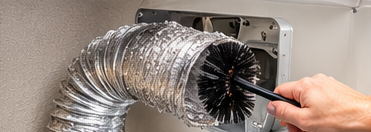
Laundry rooms combine water, electricity, heat and lint. In other words, they deserve more attention than they usually get.
USFA specifically recommends cleaning the lint filter every time the dryer is used.
USFA recommends cleaning dryer vent ductwork annually.
Overloading can interfere with cleaning, balance and proper operation. Follow the manufacturer's capacity guidance.
Look for cracking, bulging or corrosion around connections. Replace hoses according to manufacturer recommendations and condition.
Excessive vibration can damage flooring, hoses and the machine itself.
Residue can accumulate in detergent and fabric-softener compartments, especially when products are overused.
Allowing the interior to dry can reduce lingering moisture and odors. Follow the appliance manufacturer's instructions.
USFA recommends direct wall connections for washers and dryers rather than extension cords.

The living room is where maintenance and everyday safety overlap.
ENERGY STAR recommends checking filters monthly during periods of heavy use and replacing them at least every three months, or sooner when dirty.
EPA recommends generally maintaining indoor relative humidity around 30–50%; CDC specifically recommends keeping it no higher than 50% when preventing mold growth.
Ceiling fans cool people, not the room itself. ENERGY STAR specifically recommends turning them off in unoccupied rooms.
Bookcases, dressers and televisions can tip. CPSC continues to recommend anchoring furniture and TVs securely to the wall.
This improves stability and reduces injury risk if furniture tips.
Avoid cords across doorways, beneath rugs or where furniture can crush them.
A rug that slides can become a trip hazard. Use an appropriate pad or other manufacturer-approved method.
EPA says every home should be tested because radon is invisible and odorless, and testing is the only way to know whether elevated levels exist.
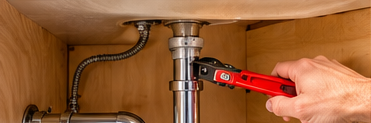
Water is one of the most useful things in a house—and one of the most destructive when it gets somewhere it doesn't belong.
Don't wait for a burst pipe to discover that you have no idea how to turn the water off. This is one of the most valuable pieces of homeowner knowledge.
Knowing how to shut off a toilet or sink can prevent a small plumbing failure from becoming a major water event.
For most residential applications, DOE recommends a setting around 120°F, balancing energy use and scald protection.
A five-second glance can reveal dripping supply lines, traps or valves before water damages cabinets or flooring.
A higher-than-normal water bill can sometimes be an early clue to a hidden leak.
Try to determine the cause first. Repeated chemical treatment can damage some plumbing materials and does not solve underlying problems.
Appropriate pipe insulation can reduce heat loss and help protect vulnerable plumbing. Local climate and pipe location determine what is appropriate.
If you have seldom-used bathrooms or drains, periodically running water helps keep traps filled and the plumbing in normal working condition.

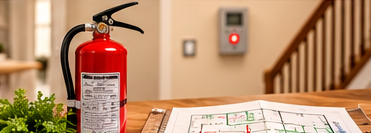
This is the category where a “household tip” can become a life-saving habit.
USFA recommends drawing a home map, identifying two ways out of every room and selecting an outdoor meeting place.
A plan nobody has practiced isn't much of a plan. USFA recommends practicing the escape drill.
USFA recommends this placement and emphasizes maintaining working alarms.
USFA recommends monthly testing and replacing smoke alarms according to their service life and manufacturer's recommendations.
CPSC recommends CO alarms on every level and outside sleeping areas, preferably interconnected.
A multipurpose ABC extinguisher is commonly suitable for many household fires, but always check the classification and listing.
CPSC recommends testing GFCIs at least monthly. If the test doesn't work properly, stop relying on the outlet for protection and have the issue corrected.
Clear labels can save valuable time during an electrical emergency or repair.
A flashlight, batteries, basic first-aid supplies, necessary medications, drinking water and other appropriate emergency items are much more useful when you know exactly where they are.
Children may visit. CPSC continues to identify furniture and television tip-overs as a preventable hazard.

The smartest homeowner maintenance isn't necessarily about fixing something after it breaks. It is about getting ahead of the problem.
ENERGY STAR recommends annual pre-season HVAC maintenance.
Especially during periods of heavy heating or cooling use.
Weatherstripping is one of the simplest ways to address drafts around moving door components. ENERGY STAR identifies weatherstripping as a basic air-sealing measure.
Don't caulk moving components that need to operate. The goal is controlled air sealing, not sealing everything permanently.
In summer, the breeze can make occupants feel cooler; in winter, reversing the fan direction at low speed can help redistribute warm air. Turn fans off when the room is unoccupied.
Your particular schedule and HVAC system determine the best settings, but thermostat management is a basic energy-saving strategy.
More insulation isn't always the first or only answer. ENERGY STAR recommends identifying the actual problem and prioritizing appropriate sealing and insulation measures.
LEDs generally use substantially less energy and last much longer than traditional incandescent bulbs.
This can reduce standby energy use, although the savings vary considerably by device. Don't unplug equipment that needs continuous power for safety, preservation or proper operation.
Last, but certainly not least ...
This is the best “hack” on the entire list.
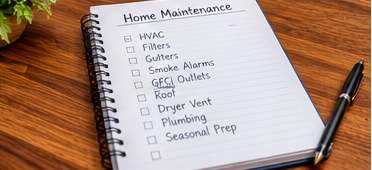
Put recurring tasks on a paper or online calendar to remind yourself: gutters, HVAC service, filters, smoke alarms, GFCIs, roof inspection, dryer vent, plumbing checks and seasonal weather preparation.
A home doesn't usually become expensive because of one neglected task. It becomes expensive when small problems are allowed to become big problems.
There is a reason this list contains fewer exotic tricks than many internet compilations.
Some popular household advice is simply not well supported.
For example:
In other words, the best household hack is often the least glamorous one:
Measure. Inspect. Clean. Maintain. Fix small problems early.
If 99 tips feel like a lot, don't let the number intimidate you.
Once a month, walk through your home and ask:
That last question may be the most valuable.
Home maintenance is largely the art of noticing change.
A homeowner who catches a $20 problem early may never have to deal with a $2,000 problem later.
And that is a household tip worth sharing.
The following sources were used to verify safety, maintenance, energy, food-storage, moisture and household-practice claims in this article. The list intentionally emphasizes government agencies, recognized safety organizations and established homeowner/consumer publications rather than anonymous “life-hack” sites.
These 99 tips are intended as general homeowner education, not as a substitute for the manufacturer's instructions, local building codes, or qualified professional advice. Electrical, structural, roofing, gas, major plumbing, HVAC and other potentially hazardous work should be referred to an appropriately qualified professional when the homeowner lacks the necessary knowledge, tools or safety equipment.
The goal isn't to turn every homeowner into a contractor.
It is to make every homeowner a little harder to surprise.
Compiled with organizatinoal assistance from ChatGPT by:
Randall C. (Randy) Anderson, REALTOR®/Agent
LOCAL PROFESSIONAL COMMITTED
M o v e R e a l t y , L L C
Licensed in Louisiana Agent License: #58902
2107 S. Burnside Av, Suite #3 Gonzales, LA 70737
Office: 225 644-7797 Mobile: 225 921-9777
Email: RandallAndersonREALTOR@gmail.com
Social media: Instagram; Facebook; Youtube; Linkedin
FREE Search | ALL Area Listings | ANY Time
www.ThatREALTORWithTheBeard.com
OR USE MY MLS MOBILE APP WHILE YOU ARE ON THE GO!!
Millions Mapped App = To install, simply text "randy" to 225-310-6511
My Graphic Blog: https://tinyurl.com/RcAGraphicBlog
Videos - YouTube Channel: http://bit.ly/MoveRealtyRcAVideos
Check Out: Client Testimonials
___ ___________________________________________ ___
🔑 YOUR DREAMS | OUR PASSION 🔑
___ ___________________________________________ ___


I am a REALTOR®/Agent at Move Realty, I grew up and live in Gonzales, Louisiana. I am married to Eileen (Clyde) Anderson, father to three daughters and a step-son, grandfather to five amazing....
Article 6 — How Long Does It Take to Sell Land in South Louisiana? One of the first questions I hear from landowners who are thinking about selling is: “How long do you think
What Does a Home Appraisal Really Mean for a Home Seller?7-Minute readIf you're selling your home, you may spend a lot of time thinking about the asking price, showings, offers, inspections and
What Does a Home Appraisal Really Mean for a Homebuyer?If you are buying a home with a mortgage, you will probably hear the word “appraisal” several times during the process.For some
Should I Sell My Land Now or Wait? (7 minute read)If you've owned land for years, there's a good chance you've asked yourself this question: “Should I sell now, or would I be better
 The multiple listing information is provided by the Greater Baton Rouge Association of REALTORS®, Inc. multiple listing service from a copyrighted compilation of listings. The compilation of listings and each individual listing are ©2026 MLS. All Rights Reserved. The information provided is for clients' personal, non-commercial use and may not be used for any purpose other than to identify prospective properties clients may be interested in purchasing. All properties are subject to prior sale
or withdrawal.
Show More...
The multiple listing information is provided by the Greater Baton Rouge Association of REALTORS®, Inc. multiple listing service from a copyrighted compilation of listings. The compilation of listings and each individual listing are ©2026 MLS. All Rights Reserved. The information provided is for clients' personal, non-commercial use and may not be used for any purpose other than to identify prospective properties clients may be interested in purchasing. All properties are subject to prior sale
or withdrawal.
Show More...
