
Make Your Home "Better" by Reducing Your Energy Bills(9-minute read)Owning a home comes with many expenses, but energy costs are among the few that homeowners may be able to reduce through everyday

Dated: September 18 2026
Views: 54
7-minute read
Your home is one of the largest investments you will ever make, but protecting the property is only part of emergency preparedness. The first priority is protecting the people and pets who live there.
In South Louisiana, emergency planning is especially important. Hurricanes, tropical storms, flash flooding, prolonged power outages, tornadoes and extreme heat can affect communities with little warning. Chemical or industrial emergencies may also require residents to evacuate or temporarily shelter indoors.
No plan can eliminate every risk. However, a prepared household can respond more quickly, make better decisions and avoid the last-minute confusion that often accompanies an emergency.
Emergencies do not always happen when everyone is at home. Family members may be at work, school, daycare or elsewhere when conditions begin to deteriorate.
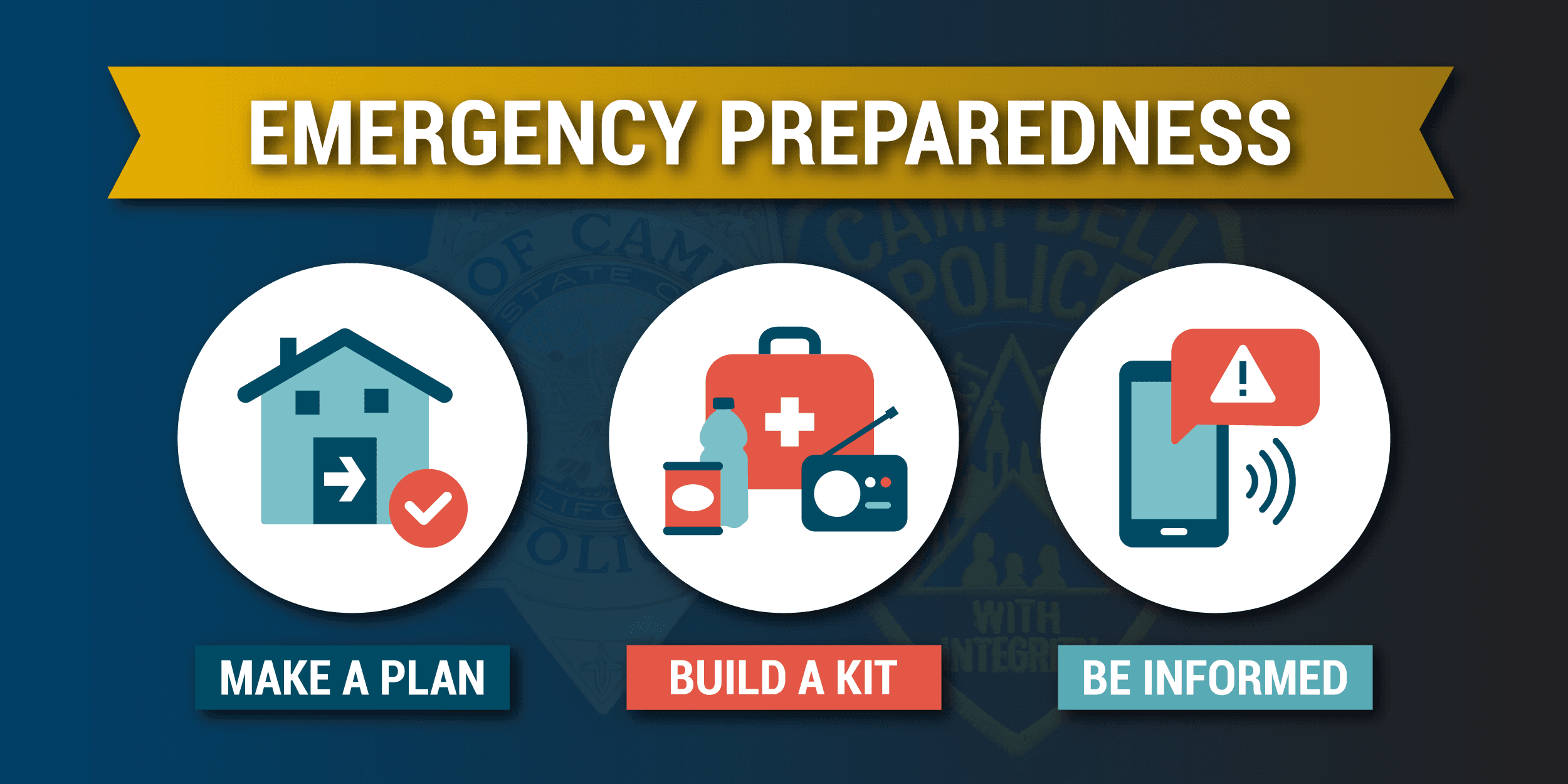
Your household plan should answer several basic questions:
Choose at least two meeting places: one close to home and another outside your neighborhood. It is also wise to identify more than one evacuation destination because a storm’s direction, road closures or lodging availability may eliminate your first choice.
Every family member should have important telephone numbers stored in a phone and written on paper. Text messages may sometimes go through when voice calls cannot, but never assume your phone will remain charged or that cellular service will be available.
Review the emergency plans used by your children’s schools, daycare providers, assisted-living facilities and workplaces. Make sure each organization has current contact information and knows who is authorized to pick up a child or dependent adult.
The original emergency-preparedness guide on which this article is based recommended preparing to function independently for at least three days. That remains a useful minimum, but South Louisiana residents should consider storing enough essential supplies for several days or longer, particularly when preparing for a major hurricane or extended power outage.
The federal government’s current emergency-kit guidance recommends storing at least one gallon of water per person per day for drinking and sanitation. More may be required during hot weather, for medical needs or for households with pets.
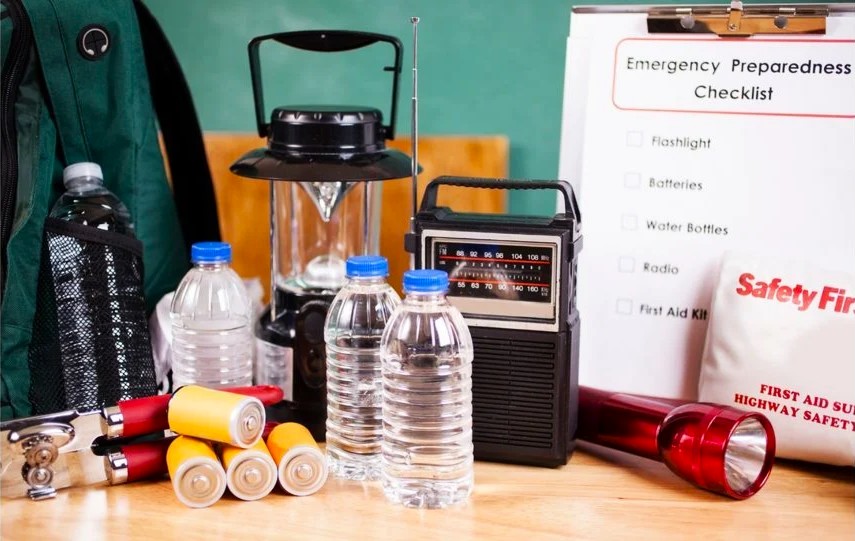
A basic home emergency kit should include:
Do not assemble the kit and then forget about it. Check it at least twice a year. Replace expired food, water, batteries, medications and medical supplies. Recharge power banks and make sure flashlights and radios still work.
Many households benefit from having more than one kit: a larger supply kit for remaining at home and a smaller, portable “go kit” that can be placed in a vehicle during an evacuation.
After a disaster, recovering from property damage is much easier when important records are organized and accessible.
Keep copies of the following documents in a waterproof, portable container:
Store encrypted digital copies in a secure cloud account or other protected location. Avoid carrying unnecessary documents containing full Social Security numbers or other sensitive information in an easily lost evacuation bag.
Photograph or record the interior and exterior of your home, including appliances, electronics, furniture, tools and valuable personal property. Keep receipts from major purchases when practical. A detailed home inventory may be extremely helpful if you later need to document an insurance claim.
This is also a good time to review your insurance coverage. Standard homeowners insurance generally does not cover flood damage. Property owners should speak with a qualified insurance professional about flood, wind, named-storm and additional-living-expense coverage before a storm threatens.
Different emergencies require different responses.
During a hurricane, storm-surge event or rapidly rising flood threat, officials may direct residents to evacuate. In other circumstances—such as a tornado, hazardous-material release or nearby industrial emergency—you may be told to remain indoors.
Follow instructions from local officials. Conditions can vary considerably from one parish or neighborhood to another, and advice circulating on social media may be incomplete or inaccurate.
Plan several routes in different directions. Keep your vehicle maintained and avoid allowing the fuel level to become extremely low during hurricane season. Know where you can take your pets; not every shelter, hotel or temporary lodging facility accepts animals.
Leave early when officials recommend evacuation. Waiting until conditions worsen can expose your family to traffic congestion, flooded or blocked roads, high winds and reduced access to fuel.
Never drive through floodwater. Water can conceal a washed-out roadway, and even relatively shallow moving water may sweep a vehicle from the road.
Before leaving, take your portable emergency kit, medications, identification, important documents, chargers, water and pet supplies. Secure the home if there is time, but do not delay a necessary evacuation to complete property-protection tasks.
Move everyone, including pets, inside. Close and lock windows and exterior doors. For a chemical or airborne hazard, officials may advise you to turn off air-conditioning systems, exhaust fans and other equipment that draws outside air into the home.
Choose an interior room with few windows. Keep your emergency supplies and a radio there, and continue monitoring official instructions. Plastic sheeting and duct tape may sometimes be used as temporary measures around openings, but only follow current instructions from emergency authorities. A sealed room is a short-term protective measure, not a substitute for professional guidance or evacuation when ordered.
Emergency preparation should begin well before a storm enters the Gulf.
Walk around the property and look for conditions that could cause trouble during high winds or heavy rainfall. Look for weak trim or damaged tree limbs, clear gutters and drainage paths, and secure outdoor furniture, grills, planters and decorations.
Know how to shut off electricity, water and gas if authorities or utility providers instruct you to do so. Do not turn gas service back on yourself unless your utility company confirms that it is safe.
If your home has shutters or protective panels, label them and make sure the necessary fasteners and tools are readily available. Waiting until a hurricane warning is issued to locate missing hardware can cost valuable time.
Residents in flood-prone areas should also consider elevating important belongings, chemicals and electrical equipment where practical. Never enter an attic to escape rising water unless you have a safe way to reach the roof; rising water can trap occupants inside.
A portable generator can make an extended outage more manageable, but improper use can be deadly.
Generators can produce carbon monoxide, an odorless and colorless gas. Operate a portable generator outdoors, at least 20 feet from the home, with the exhaust directed away from doors, windows and vents. Never run one inside a house, garage, carport, shed, crawlspace or partially enclosed area.
Install working carbon-monoxide alarms and smoke alarms on every level of the home, particularly near sleeping areas. Test them regularly and replace batteries and alarm units according to the manufacturer’s instructions.
Never connect a portable generator directly to a home’s electrical system unless the system has been properly installed with an approved transfer switch by a qualified electrician. Improper connections can cause electrocution, fire or dangerous backfeeding into utility lines.
Allow the generator to cool before adding fuel, and store fuel only in approved containers away from ignition sources.
Households with refrigerated medications, oxygen equipment, mobility devices or electrically powered medical equipment need a more detailed plan.
Discuss emergency arrangements with physicians, equipment suppliers and utility providers before an outage. Keep a current list of medications, dosages, allergies and medical contacts. Ask how medications should be handled if refrigeration is interrupted.
Pet owners should prepare carriers, leashes, food, water, waste supplies, identification, vaccination records and medications. Make sure microchip registration information is current. Identify pet-friendly evacuation destinations before they are needed.
Never leave a pet chained outdoors or abandoned inside an evacuated home.
Smartphones have changed the way emergency warnings are delivered, but they should not be your only source of information.
Enable Wireless Emergency Alerts on your phone. Consider installing the FEMA app and signing up for alerts offered by your parish or local emergency-management office. Keep a battery-powered or hand-crank weather radio available in case power, internet or cellular service fails.
For Louisiana-specific information, monitor the Governor’s Office of Homeland Security and Emergency Preparedness, commonly known as GOHSEP. The state’s Get a Game Plan website provides preparedness information, road-condition resources and directions for locating shelter information. Louisiana residents can also dial 211 for certain shelter and community-resource information and use 511 Louisiana for road conditions.
During severe weather, rely on official messages from local authorities, the National Weather Service, the National Hurricane Center and emergency-management agencies.
Emergency preparedness is not a single project completed once and placed on a shelf. Families change, medications change, pets are added, children change schools and evacuation destinations may no longer be available.
Review your plan at least once a year and before every hurricane season. Replace expired supplies, update contact information, verify insurance coverage and discuss the plan with everyone in the household.
You may never need to use every part of your emergency plan. But when a serious situation develops, the water, medications, documents and decisions prepared in advance can make an enormous difference.
This article was adapted and substantially updated for 2026 from the Emergency Preparedness Guide: Protecting Your Family and Your Home, originally prepared by the Homeownership Alliance in partnership with the U.S. Department of Homeland Security. The original publication acknowledged the National Association of REALTORS®, Fannie Mae, Freddie Mac, the National Association of Home Builders and other Homeownership Alliance members.
Current recommendations were checked against the U.S. Department of Homeland Security’s Ready.gov emergency-kit guidance, the Louisiana Governor’s Office of Homeland Security and Emergency Preparedness, the National Hurricane Center and OSHA’s hurricane preparedness resources.
This article provides general educational information. Emergency conditions and official instructions may change quickly. Always follow current directions from local emergency-management personnel, law enforcement, fire officials, public-health agencies and utility providers.
With assistance from ChatGPT for updating and organization, this article is shared by:
Randall C. (Randy) Anderson, REALTOR®/Agent
LOCAL PROFESSIONAL COMMITTED
M o v e R e a l t y , L L C
Licensed in Louisiana Agent License: #58902
2107 S. Burnside Av, Suite #3 Gonzales, LA 70737
Office: 225 644-7797 Mobile: 225 921-9777
Email: RandallAndersonREALTOR@gmail.com
Social media: Instagram; Facebook; Youtube; Linkedin
FREE Search | ALL Area Listings | ANY Time
www.ThatREALTORWithTheBeard.com
OR USE MY MLS MOBILE APP WHILE YOU ARE ON THE GO!!
Millions Mapped App = To install, simply text "randy" to 225-310-6511
My Graphic Blog: https://tinyurl.com/RcAGraphicBlog
Videos - YouTube Channel: http://bit.ly/MoveRealtyRcAVideos
Check Out: Client Testimonials
🔑 YOUR DREAMS | OUR PASSION 🔑


I am a REALTOR®/Agent at Move Realty, I grew up and live in Gonzales, Louisiana. I am married to Eileen (Clyde) Anderson, father to three daughters and a step-son, grandfather to five amazing....
Make Your Home "Better" by Reducing Your Energy Bills(9-minute read)Owning a home comes with many expenses, but energy costs are among the few that homeowners may be able to reduce through everyday
When a Louisiana Property Owner Dies: What Families Should Know About Successions and Real Estate(9-minute read)When someone dies owning a home, land or other real estate in Louisiana, family
Article 10 — What Costs Should I Expect When Selling Land? Land Seller Series — Article 10 of 30(17-minute read)In Article 9, we looked at a question every serious land seller
Emergency Preparedness for South Louisiana Homeowners: A Practical 2026 Guide7-minute readYour home is one of the largest investments you will ever make, but protecting the property is only part of
 The multiple listing information is provided by the Greater Baton Rouge Association of REALTORS®, Inc. multiple listing service from a copyrighted compilation of listings. The compilation of listings and each individual listing are ©2026 MLS. All Rights Reserved. The information provided is for clients' personal, non-commercial use and may not be used for any purpose other than to identify prospective properties clients may be interested in purchasing. All properties are subject to prior sale
or withdrawal.
Show More...
The multiple listing information is provided by the Greater Baton Rouge Association of REALTORS®, Inc. multiple listing service from a copyrighted compilation of listings. The compilation of listings and each individual listing are ©2026 MLS. All Rights Reserved. The information provided is for clients' personal, non-commercial use and may not be used for any purpose other than to identify prospective properties clients may be interested in purchasing. All properties are subject to prior sale
or withdrawal.
Show More...
